The Library
16 works · all free, all public domain
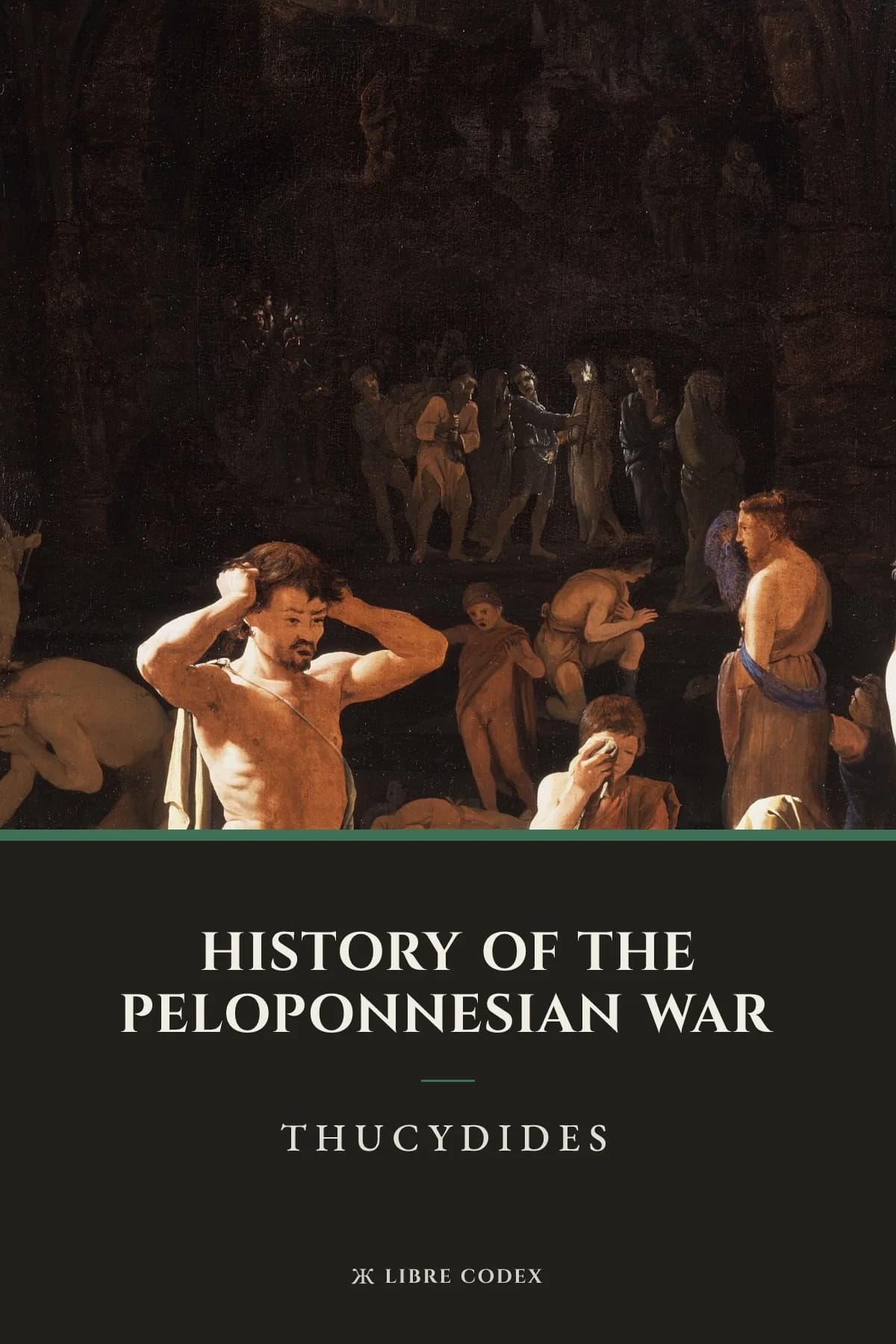
History of the Peloponnesian War
Thucydides
The war that broke the Greek world, told by a general who fought in it. Thucydides of Athens set down the twenty-seven-year struggle between Athens and Sparta as it happened, stripping out the gods and omens of his predecessors to ask only what men did and why. The result is the first work of political realism: the funeral oration of Pericles, the plague of Athens, the revolution at Corcyra, the cold logic of the Melian Dialogue, and the doomed expedition to Sicily — a possession for all time, as its author intended, and still the sharpest book ever written on power, fear, and the conduct of states.
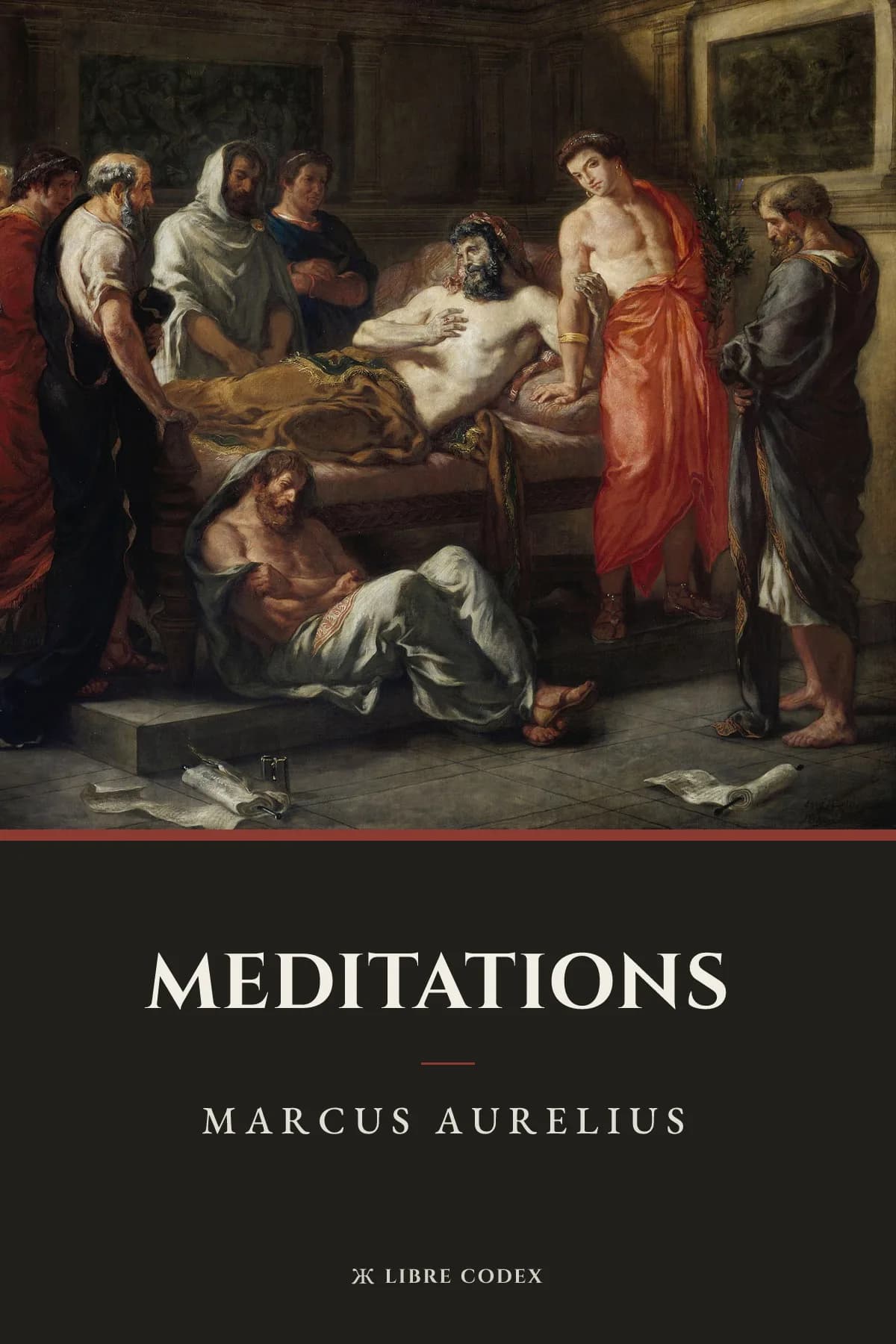
Meditations
Marcus Aurelius
The private notebook of the most powerful man alive. Written in Greek during military campaigns on the Danube frontier, never intended for publication, the Meditations record a Roman emperor reminding himself — sometimes sternly, sometimes tenderly — how to stay just, calm, and unafraid of death. It remains the most intimate document to survive from antiquity, and the foundational text of practical Stoicism.
2 translations
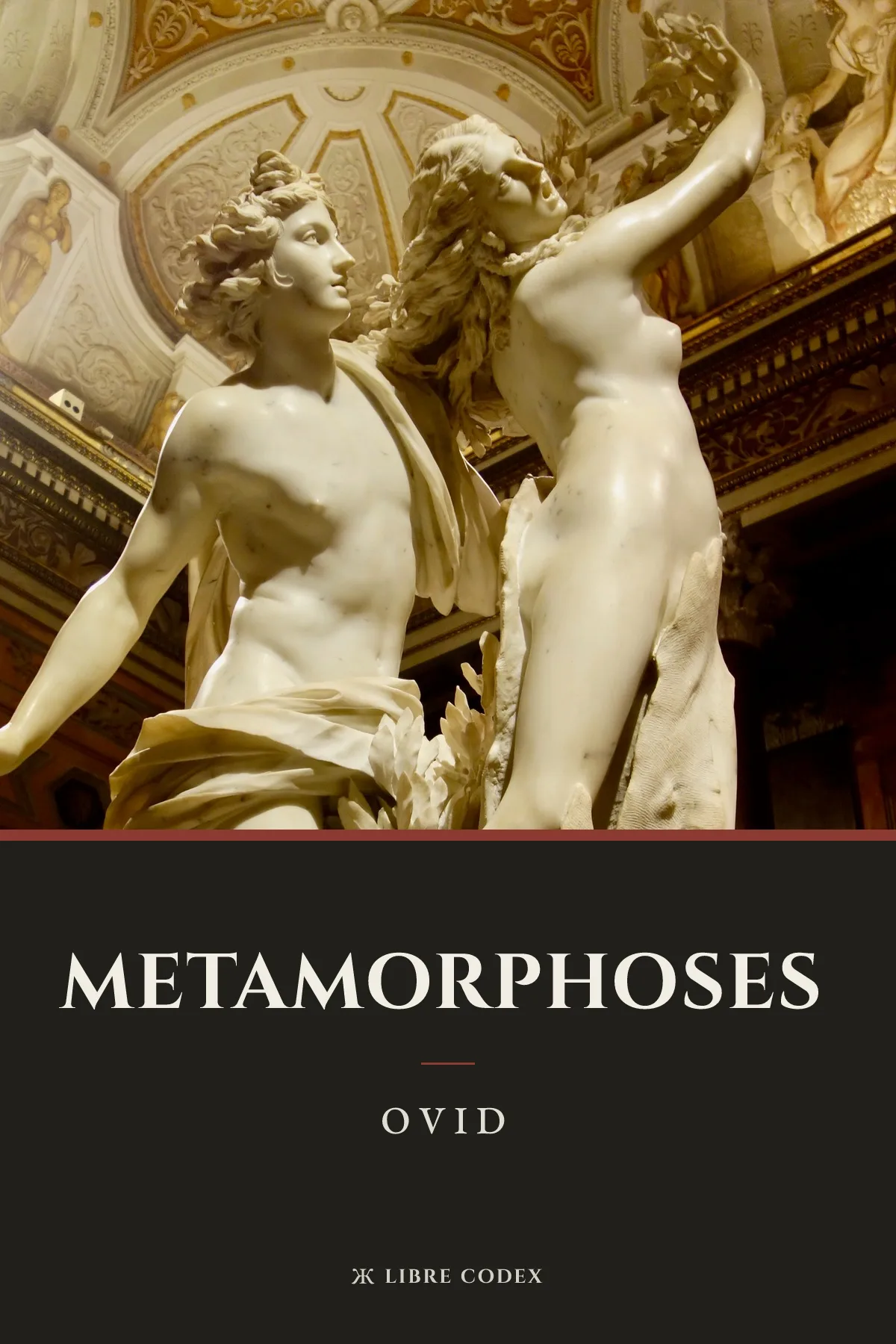
Metamorphoses
Ovid
The world as one unbroken story of change. Ovid strings together some two hundred and fifty Greek and Roman myths — from the first shaping of chaos into the cosmos to the death and stellification of Julius Caesar — on a single thread: bodies turning into other bodies. Daphne becomes a laurel, Narcissus a flower, Arachne a spider; Pygmalion’s statue wakes, Daedalus and Icarus take to the air, Orpheus descends for Eurydice. Wit, pathos, and dazzling invention across fifteen books of hexameter — the single richest source of classical myth for all later art. Read myth by myth beside the Latin.
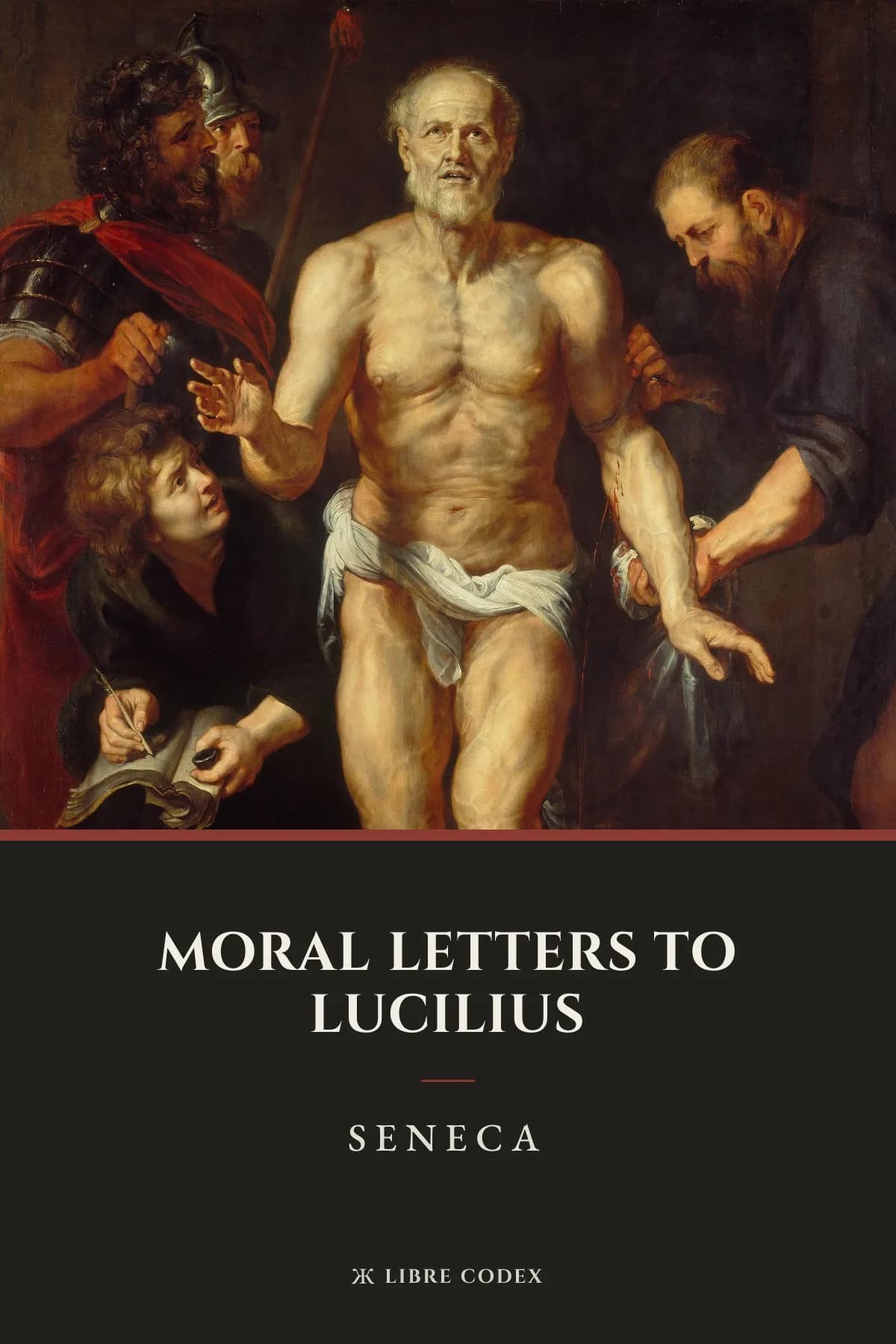
Moral Letters to Lucilius
Seneca
The last and greatest work of Rome’s foremost Stoic — 124 letters written in his final years to a younger friend, and really a course in how to live. Seneca ranges over everything a life throws up: the right use of time, the fear of death, the crowd, friendship, poverty and riches, the treatment of slaves, illness, grief, and the daily work of becoming a better person. Practical, intimate, and endlessly quotable, the Letters are the most approachable door into Stoicism ever written — read letter by letter beside Seneca’s own Latin.
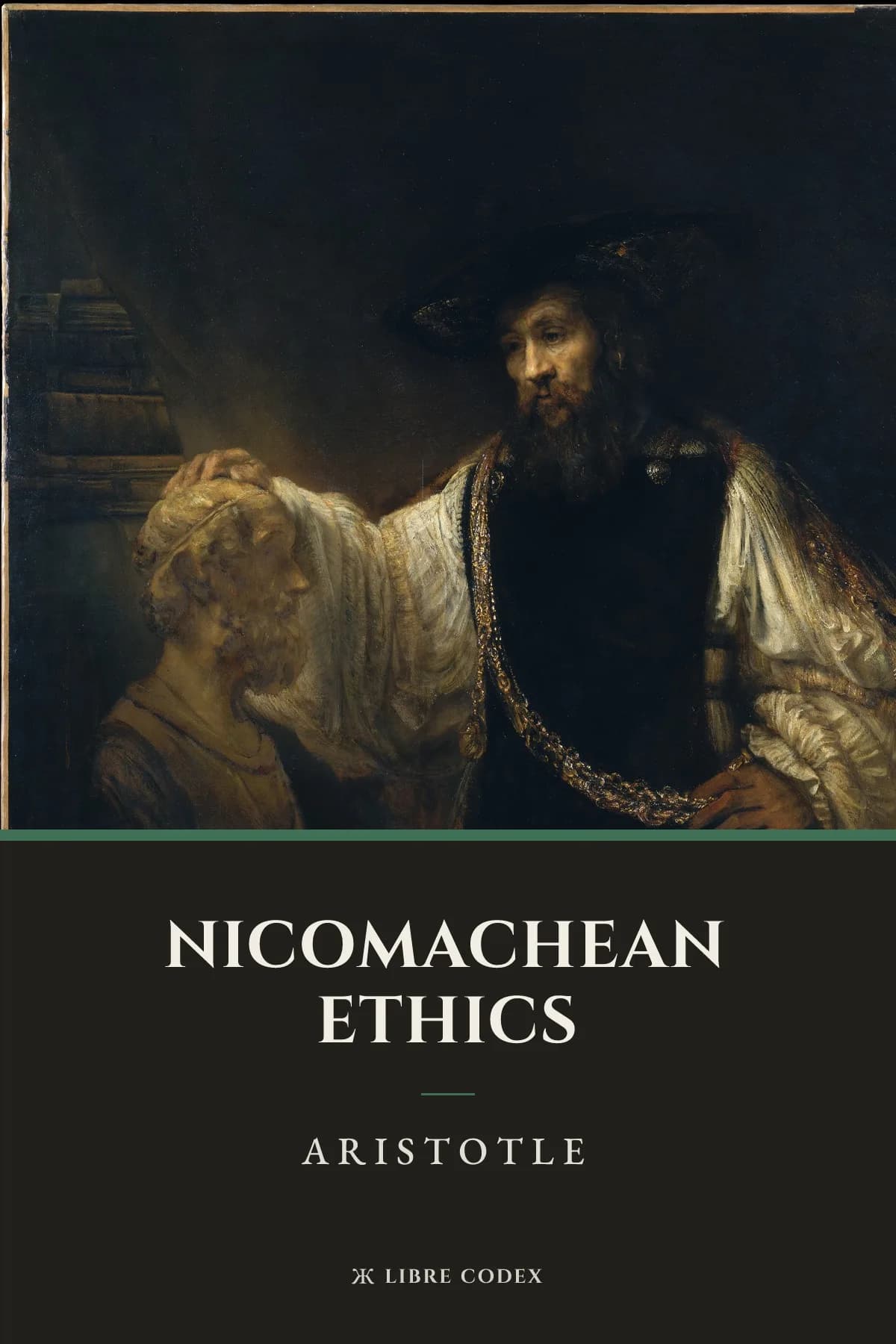
Nicomachean Ethics
Aristotle
The most important work of moral philosophy ever written — Aristotle’s lectures on how to live well. Its question is what the good life for a human being is, and its answer is eudaimonia, flourishing: the activity of the soul in accordance with virtue, over a complete life. Across ten books Aristotle works out what virtue is (a mean between extremes, formed by habit), examines courage, justice, and practical wisdom, devotes two books to friendship, and ends by crowning the contemplative life. Read section by section beside the Greek, on the Bekker grid scholars have cited for two centuries.
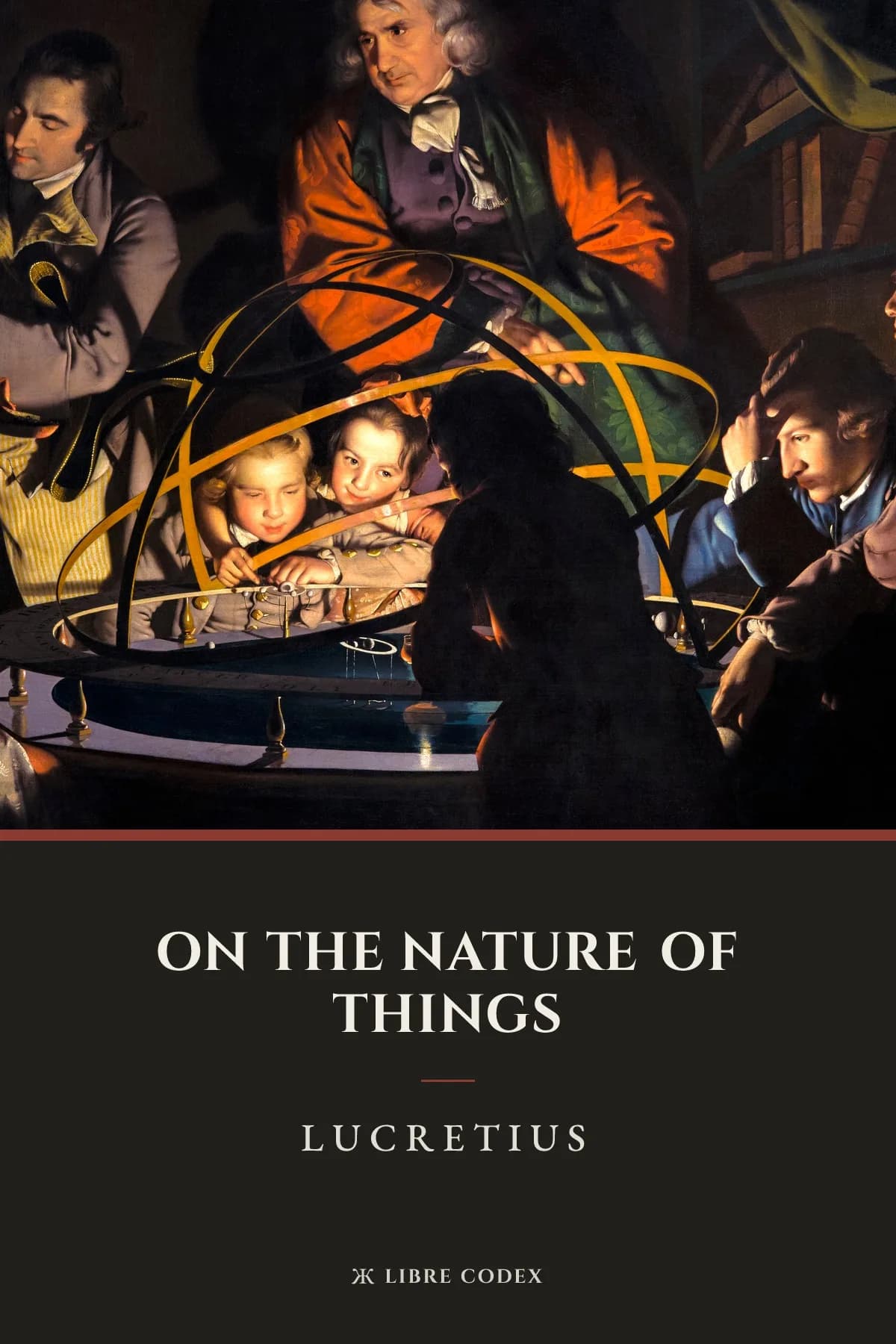
On the Nature of Things
Lucretius
The universe explained in verse, and an argument that you have nothing to fear. Lucretius set the physics of Epicurus into six books of Latin hexameter: everything is atoms and void, the soul is material and dies with the body, the gods take no interest in us, and the dread of death is therefore groundless. Along the way he explains lightning and magnets, dreams and desire, the birth of worlds and the rise of civilization — closing, without ceremony, on the plague of Athens. Rediscovered in 1417, it lit the fuse of the modern world. Read book by book beside the Latin.
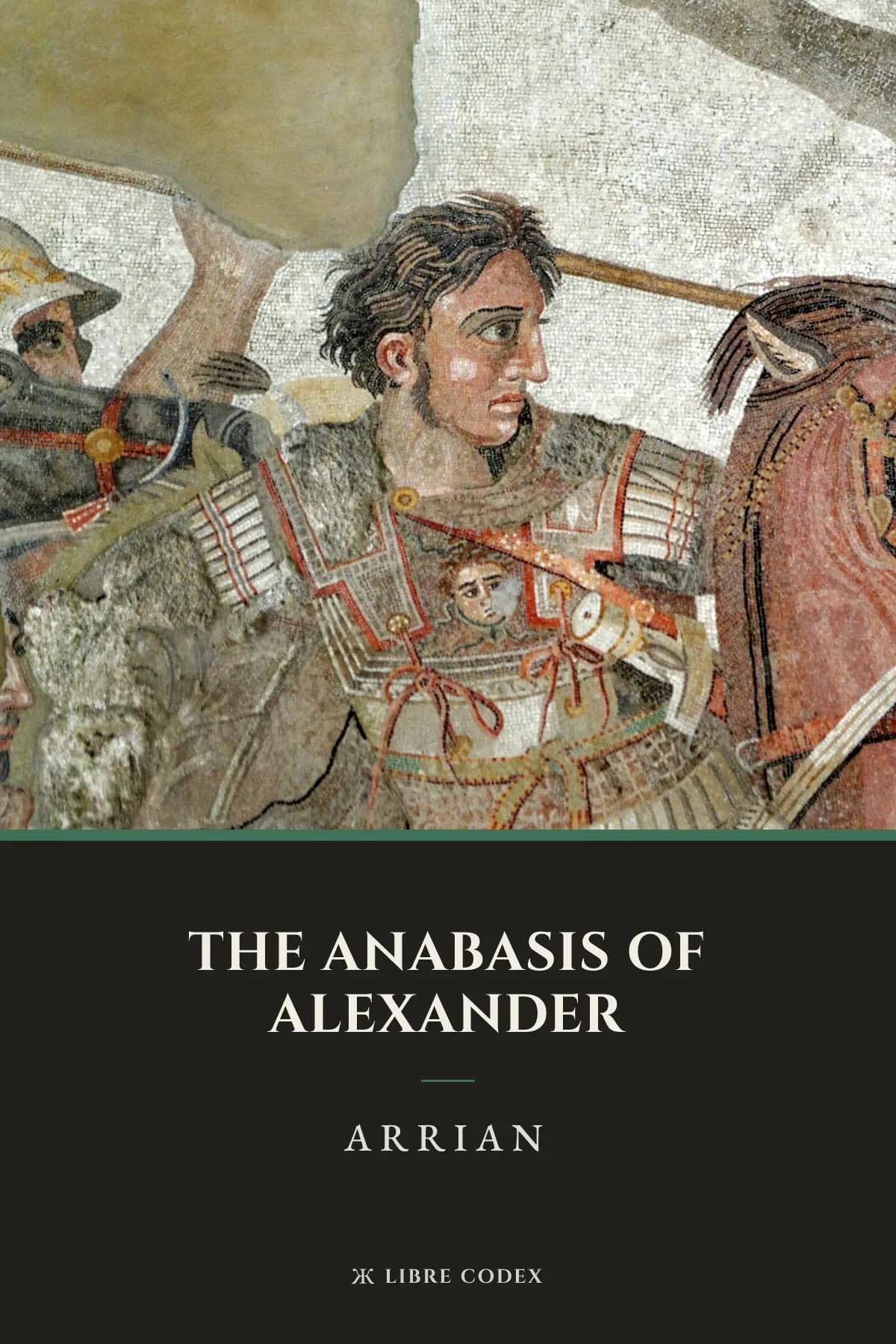
The Anabasis of Alexander
Arrian
The definitive history of Alexander the Great, by the soldier-scholar who sifted the eyewitness accounts. Writing four centuries after the events, Arrian of Nicomedia — himself a Roman general — followed the memoirs of Alexander's own officers Ptolemy and Aristobulus in preference to the legends, and produced the soberest and most trusted narrative of the campaigns: the crossing into Asia, the Granicus, Issus, and Gaugamela, the fall of Tyre and the burning of Persepolis, the march to India and the mutiny at the Hyphasis, and the death at Babylon. A history of conquest from the inside, read beside the Greek.
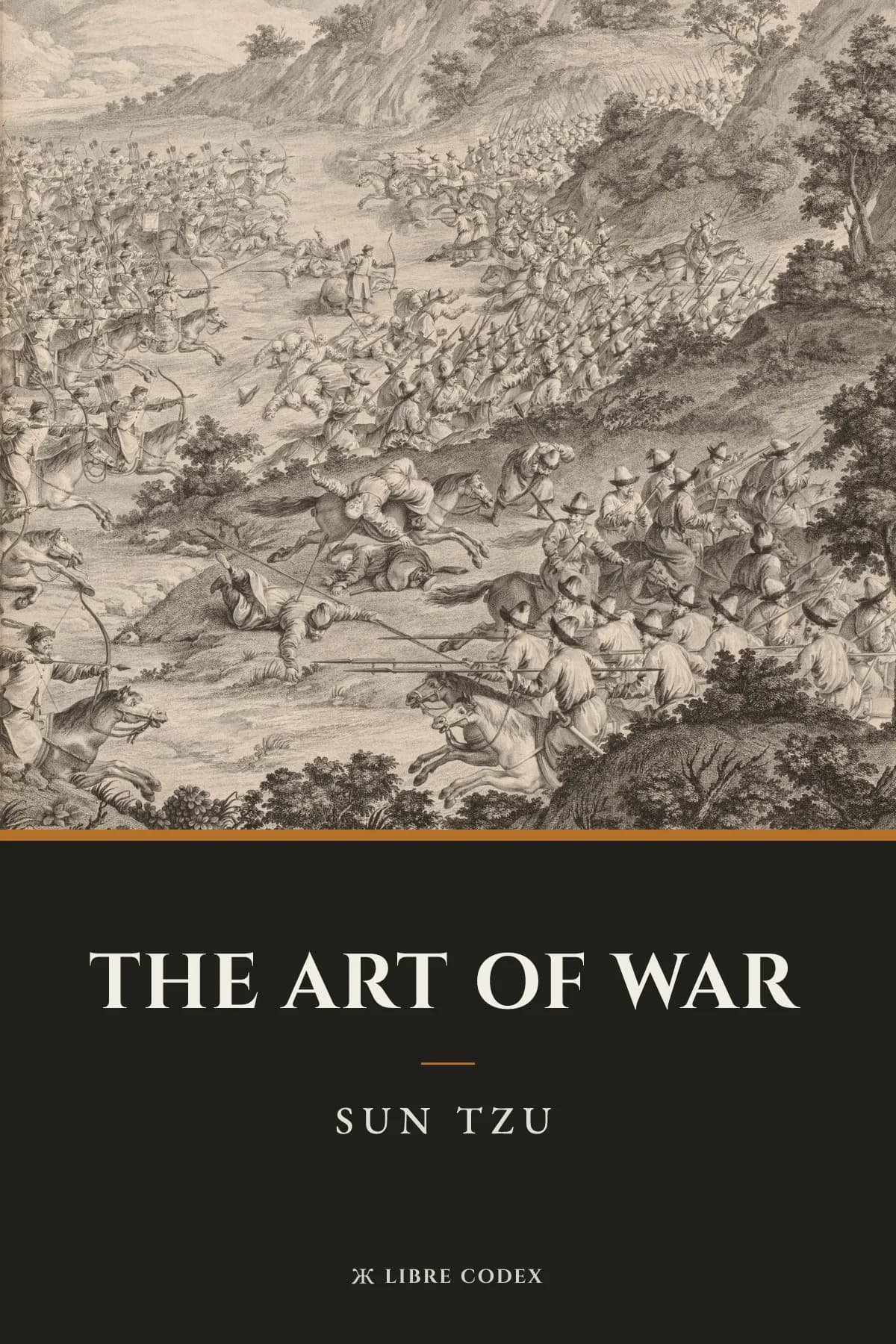
The Art of War
Sun Tzu
Thirteen short chapters on winning before the battle begins. Composed in China around the fifth century BC, The Art of War treats conflict as a problem of information, economics, and psychology rather than courage — which is why it outlived the chariot and conquered the boardroom. Lionel Giles’s 1910 translation remains the standard English text.
The Discourses of Epictetus
Epictetus
The lectures of Epictetus, taken down by his pupil Arrian and circulated, Arrian insists, without revision — the Stoic classroom preserved live. Across four surviving books a freed slave turned teacher harangues, mocks, and coaxes his students toward the one thing he holds to be in their power: the use they make of their own impressions. Where the Enchiridion distils the doctrine, the Discourses show it being argued, and remain the fullest record of how a Stoic actually taught.
2 translations
The Enchiridion
Epictetus
A pocket manual of Stoic practice, compiled from the lectures of a philosopher born a slave. The Enchiridion — literally “handbook” — opens with the most useful sentence in ancient philosophy: some things are within our power, and some are not. Everything that follows is instruction in living by that distinction.
2 translations
The Histories
Herodotus
The first work of history in the Western tradition — and still one of the most readable. Herodotus of Halicarnassus set out to explain why Greeks and Persians went to war, and in doing so swept up the whole known world: the customs of Egypt, the rise of Persia, the lives of kings and tyrants, and the wonders and rumours he gathered on his travels. The narrative builds to the great clash of the Persian Wars — Marathon, Thermopylae, Salamis — but its lasting pleasure is the inquiring, digressive voice that earned its author the title Father of History (and, to his critics, Father of Lies).
The Iliad
Homer
The oldest surviving work of European literature: fifty-one days in the tenth year of the war at Troy, when Achilles’ quarrel with Agamemnon withdraws the greatest of the Greeks from the field and the fighting turns against them. Across twenty-four books the poem holds rage, grief, and the nearness of death in a single unblinking gaze — gods meddling, heroes boasting and dying, and an old king at last crossing the lines to ransom his son’s body. Read here in Samuel Butler’s plain-spoken prose beside the Homeric Greek, line for line.
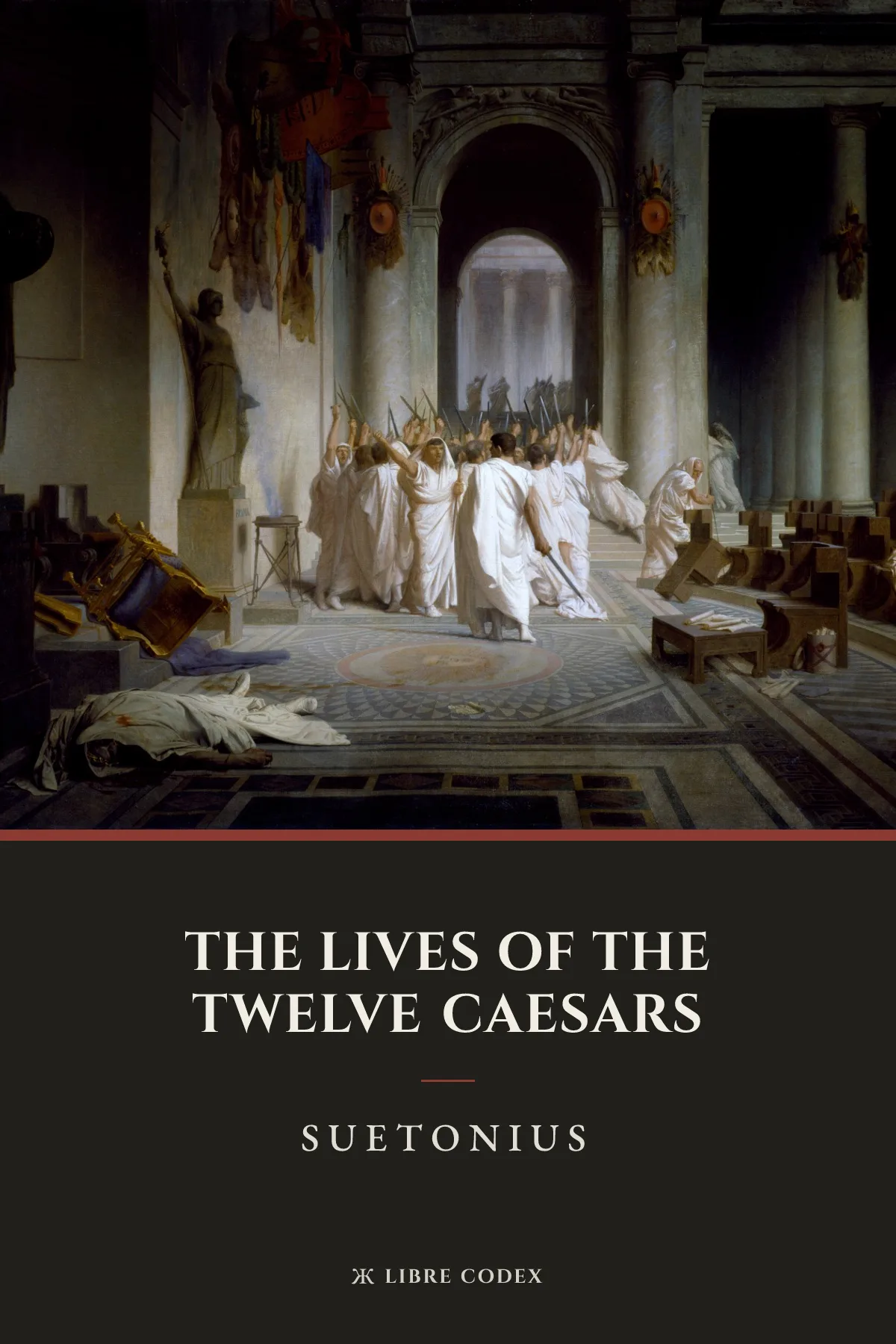
The Lives of the Twelve Caesars
Suetonius
Rome’s first century of one-man rule, told emperor by emperor — by the man who read their private letters. Suetonius, secretary to Hadrian with the imperial archives at his desk, wrote a life of each Caesar from Julius to Domitian: ancestry, rise, and reign, then the man himself — his dinners and dress, his jokes, his cruelties, his last words. Unsqueamish and endlessly quotable, it is the source of much of what everyone “knows” about the emperors: the die cast at the Rubicon, Caligula’s horse, Nero fiddling while Rome burned. Read life by life beside the Latin.
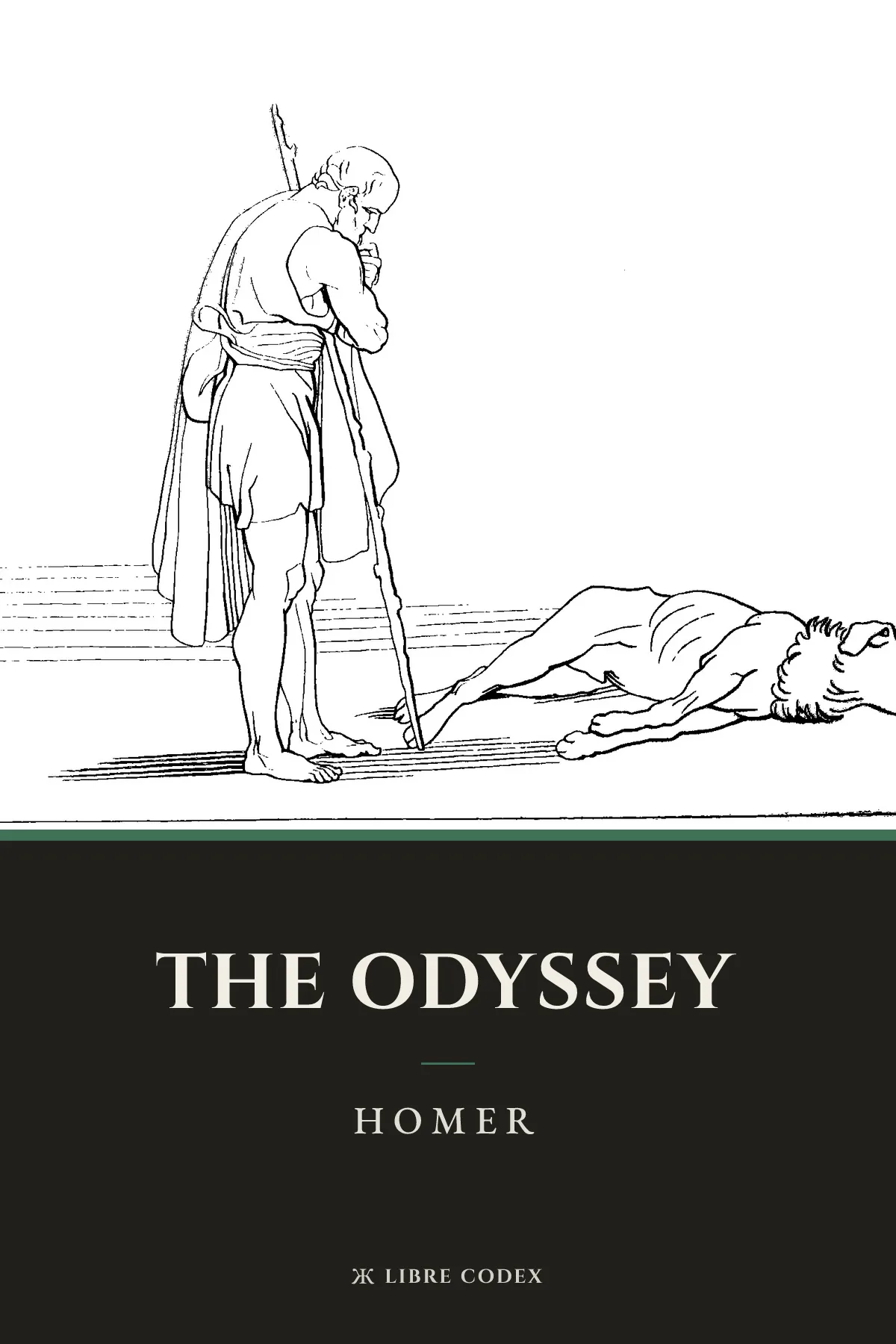
The Odyssey
Homer
Homer’s second epic: the ten-year homeward voyage of Odysseus from the ruins of Troy, and the war he must fight again on his own threshold. Across twenty-four books the poem turns from the open sea — the Cyclops, Circe, the Sirens, the descent to the dead — to the long, patient cunning of a king come home in rags to a hall full of suitors. Read here in A. T. Murray’s Loeb prose beside the Homeric Greek, line for line, with Samuel Butler’s plainer rendering for comparison.
2 translations
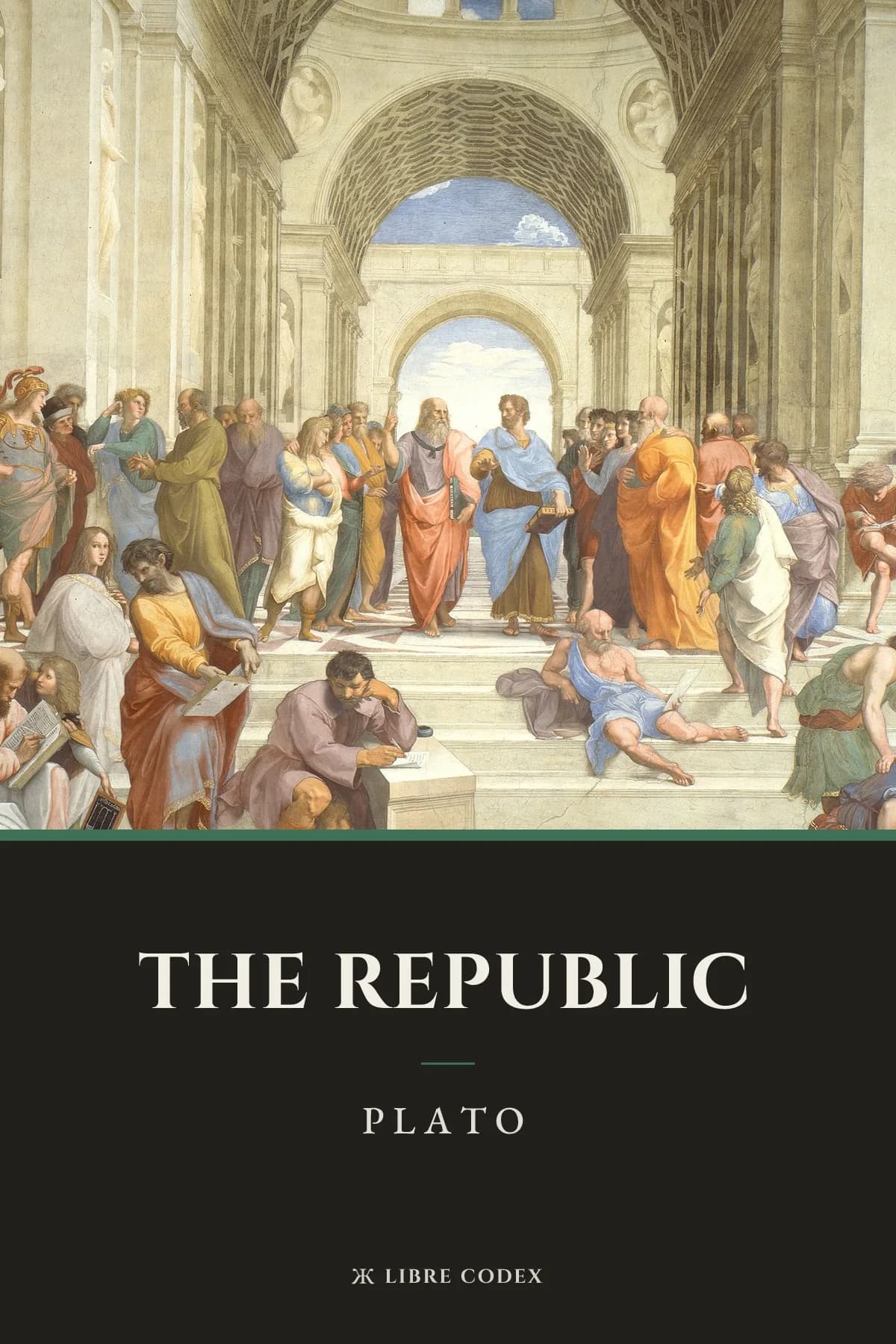
The Republic
Plato
The most influential book in the history of philosophy. What begins as a conversation about justice at a house in the Piraeus builds, over ten books, into the founding of an imaginary city and an account of everything: the parts of the soul, the education of rulers, the equality of women, the corruption of states, the Ring of Gyges, the Ship of State, the Divided Line, the Allegory of the Cave, and the Myth of Er. Every philosophy written since is, as Whitehead said, a series of footnotes to it — read beside the Greek, section by section, on the Stephanus grid scholars have cited for five centuries.
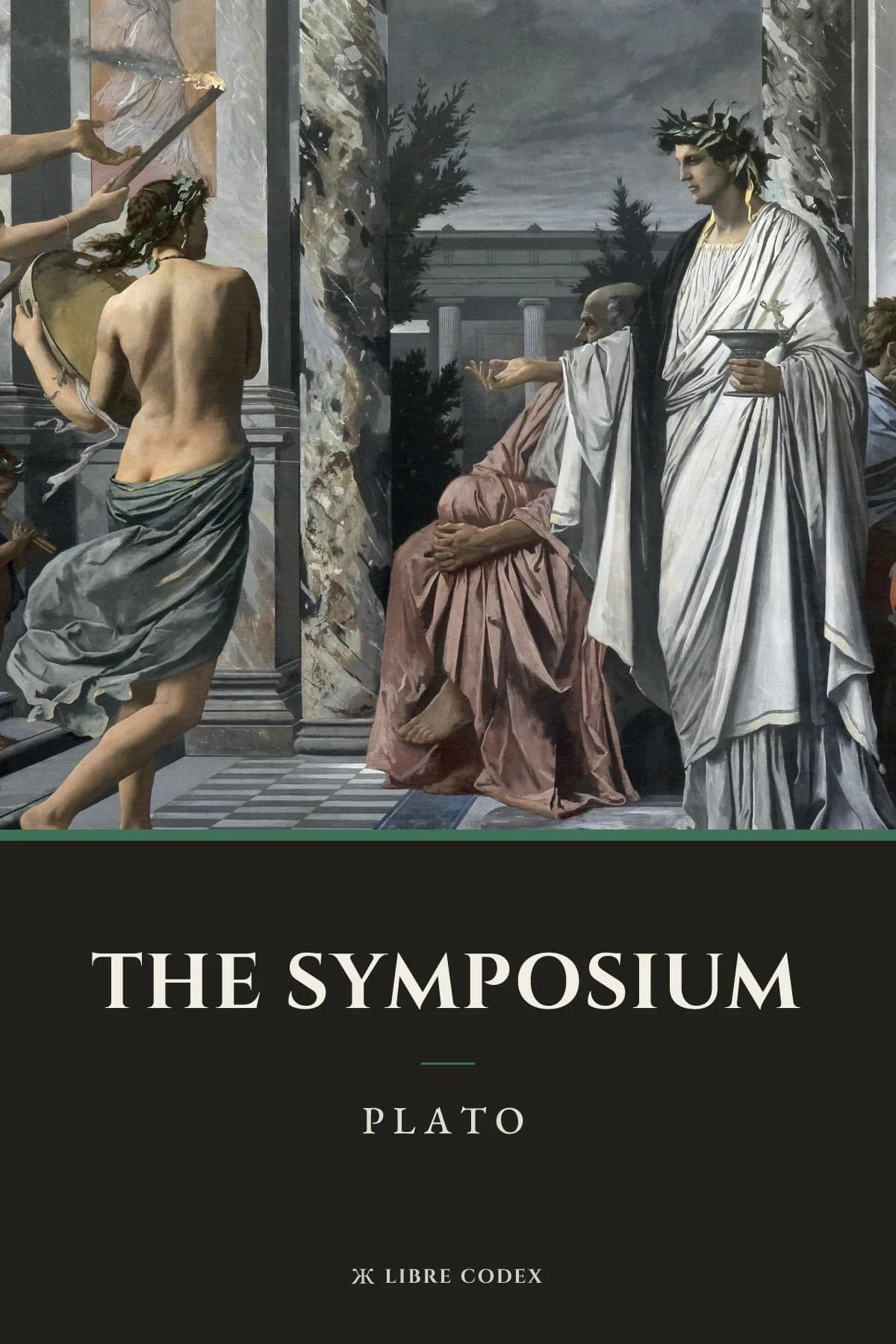
The Symposium
Plato
A drinking party in honour of a poet, and the most beautiful thing Plato ever wrote about love. Seven guests each rise to praise Eros: the lawyer, the doctor, the comedian Aristophanes with his myth of the divided halves forever seeking their other, the tragedian Agathon, and finally Socrates, who reports the teaching of the priestess Diotima — the ascent from a single beautiful body up the ladder of love to Beauty itself. Then a drunken Alcibiades crashes in and delivers the strangest praise of all: of Socrates. Read section by section beside the Greek, on the Stephanus grid scholars have cited for five centuries.